
Status: Completed Q1 2022
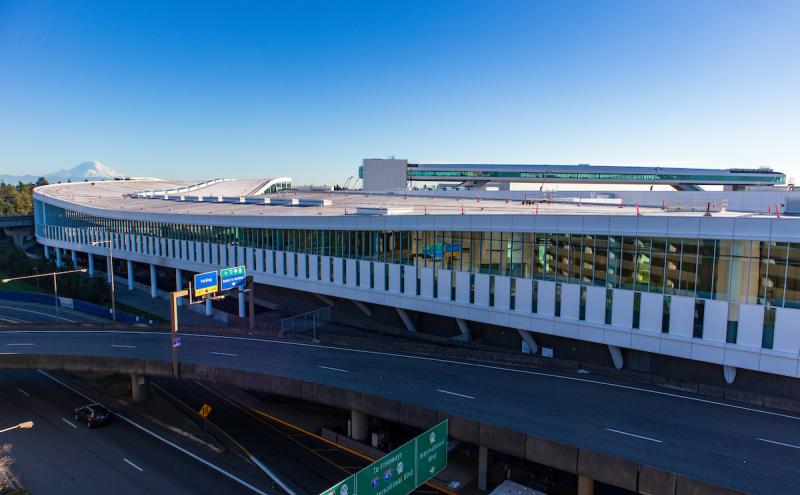
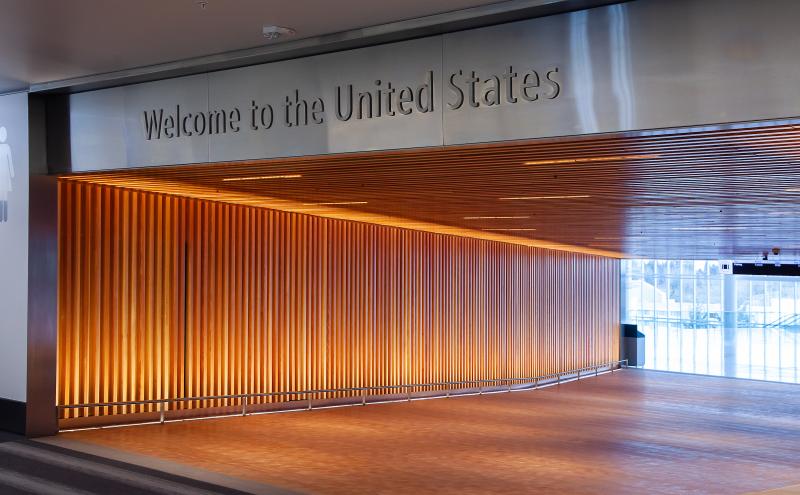
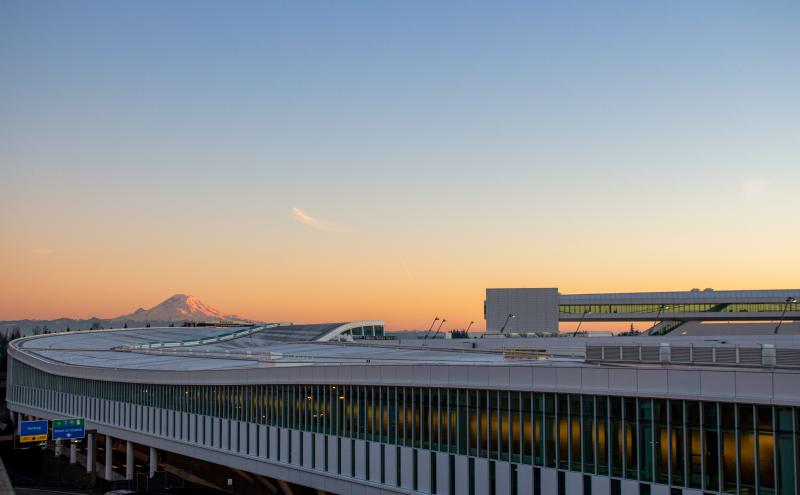
The Port of Seattle has built a new, expanded International Arrivals Facility (IAF) at Seattle-Tacoma International Airport to significantly enhance the international passenger experience, advance the Puget Sound region as a leading tourism and business gateway, and serve the traveling public well into the future.
Project Overview
The IAF is the most complex capital development program in the history of the 71-year-old airport and significantly improves the arrival process for international passengers without adding new gates. The former 1970s-era facilities could not accommodate Seattle’s growing demand for international travel.
The IAF includes exciting new elements:
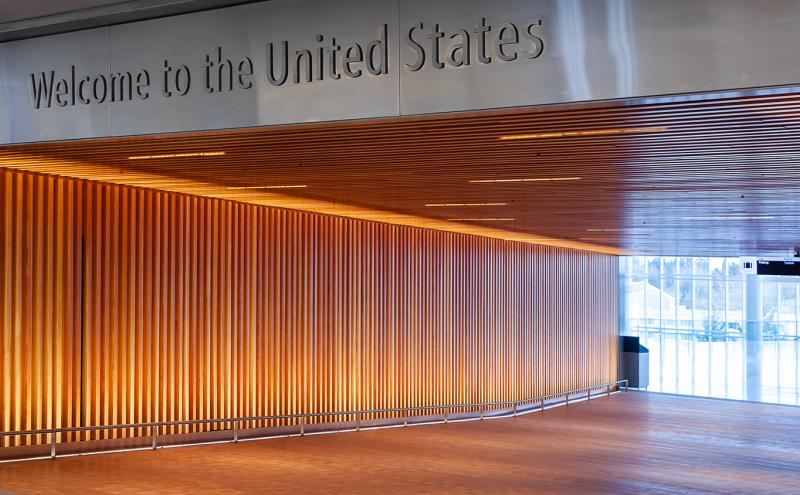
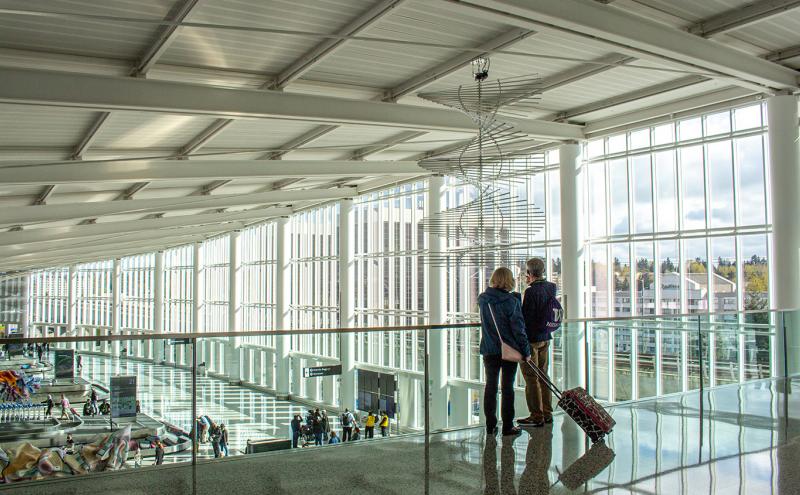
- 450,000-square-foot grand hall for baggage claim and customs processing
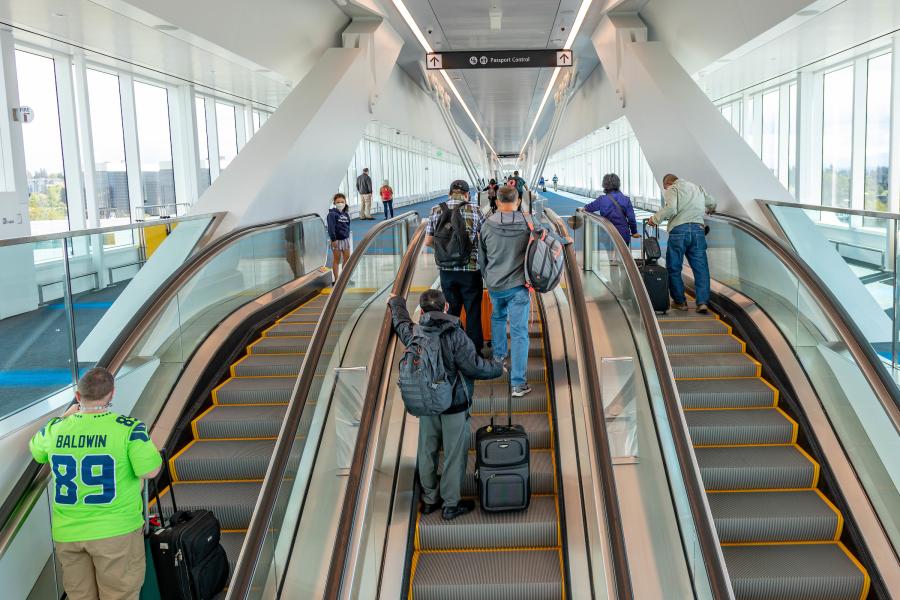
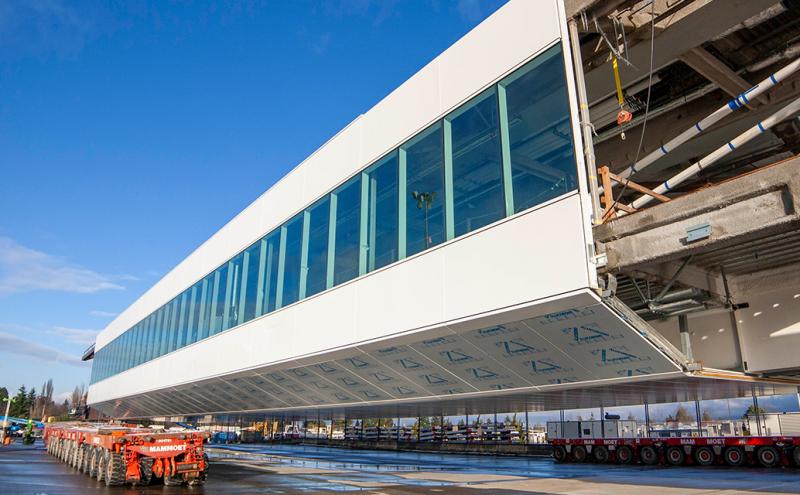
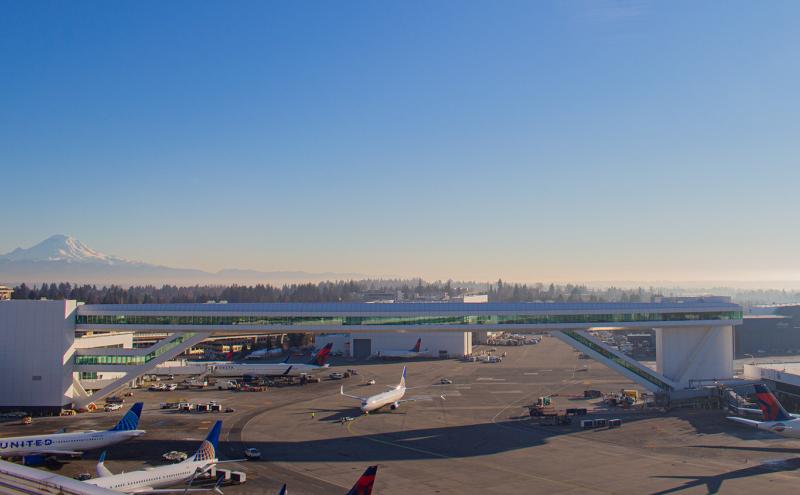
- 85-foot-high aerial walkway that directly connects passengers from the S Concourse (formerly South Satellite) to the Grand Hall
- New international corridor connecting arriving international passengers on A Concourse
- Explore this fact sheet (PDF) on the International Arrivals Facility
Supporting projects to expand power, fiber optic technology, and high-efficiency baggage services will significantly speed up processing during peak international arrival periods.
New Facility Plan
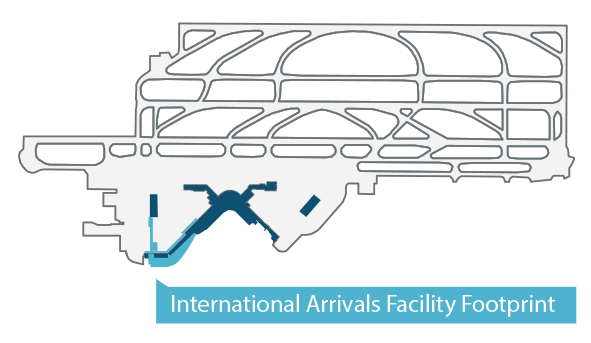 The IAF is a new multi-level, 450,000-square-foot facility located east of the current A Concourse. An iconic aerial walkway, which spans 780 feet across and 85 feet above the existing taxilane, connects arriving international passengers from the S Concourse across the top of the A Concourse to the new IAF.
The IAF was designed to increase capacity and provides the following benefits:
- Nearly double international-capable gates (from 12 to 20)
- Increase passenger capacity by more than double to 2,600 passengers per hour
- Incorporate enhanced technologies for faster passport check clearance
- Increase size and number of bag claim carousels from four to seven
- Reduce the minimum passenger connection time from 90 to 75 minutes
Key features of the IAF, include:
- The iconic aerial walkway was prefabricated at the north end of the airport, then transported to the south end overnight for installation in order to reduce impacts to taxiway use.
- A new international corridor along the face of the existing A Concourse allows eight international wide-body aircraft gates to access directly into the IAF. These gates also allow dual use for domestic flights into the A Concourse.
- As part of the Port of Seattle’s emphasis on environmental stewardship and sustainability, the project is designed to achieve LEED V4 (Leadership in Energy and Environmental Design, Version 4) Silver certification from the United States Green Building Council.
- The baggage claim devices nearly triple in size, from four devices with 668 linear feet in the current space to seven devices and 1,806 linear feet.
SEA Airport Traffic (updated as of 2022)
- The year 2020 was a difficult one for SEA Airport and airlines due to the pandemic and its impacts on travel. International traffic was more than 80 percent down from 2019 to the end of 2020.
- However, SEA recovered over half of pre-pandemic international destinations. There are 11 airlines serving 14 destinations globally, including the first new international carrier to begin service since the start of the pandemic with Qatar Airways to Doha (DOH).
- Overall, 20,061,507 total passengers went through SEA Airport in 2020. Passenger traffic dropped 61.3 percent to a level not seen at SEA since 1994. Before the pandemic, SEA experienced nine straight years of record-setting passenger growth.
- A consultant study estimated that each new international route generates approximately $74 million in annual economic impacts to the region.
- Located exactly halfway between London and Tokyo, SEA is the closest U.S. West Coast gateway to both Europe and Asia.
Jobs Created and Economic Impact
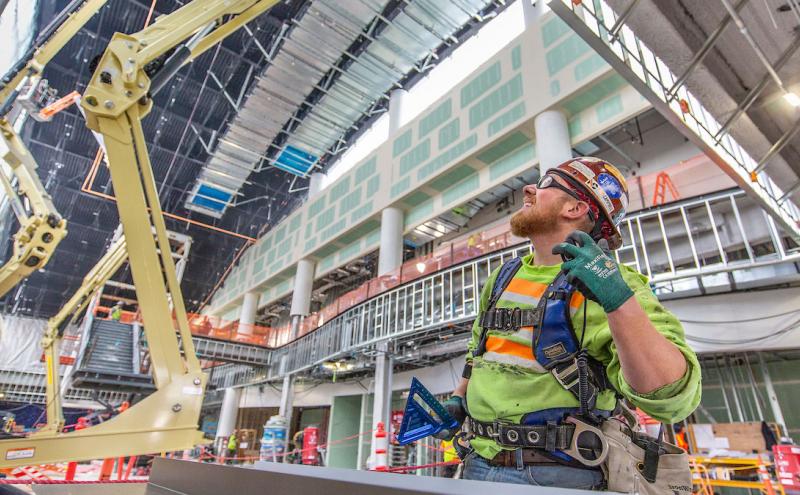
The IAF supported approximately 10,600 jobs, including 500 jobs a day during a month-long peak construction period. For more on trade hours and small business utilization, view the International Arrivals Facility Progress dashboard.
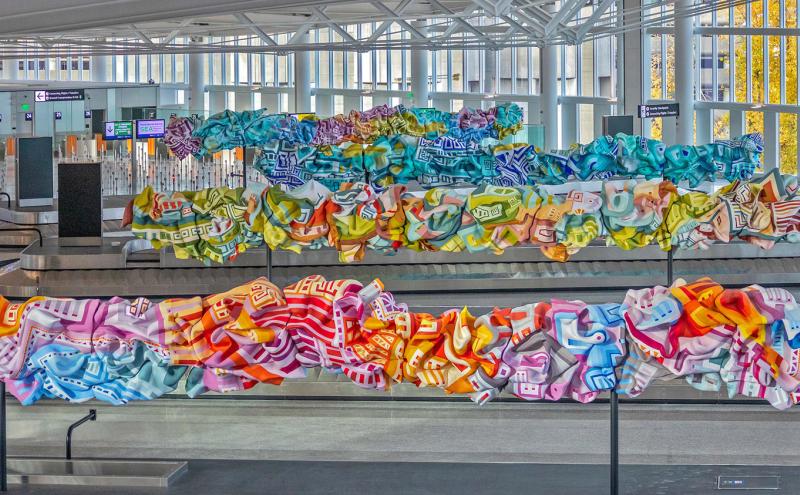
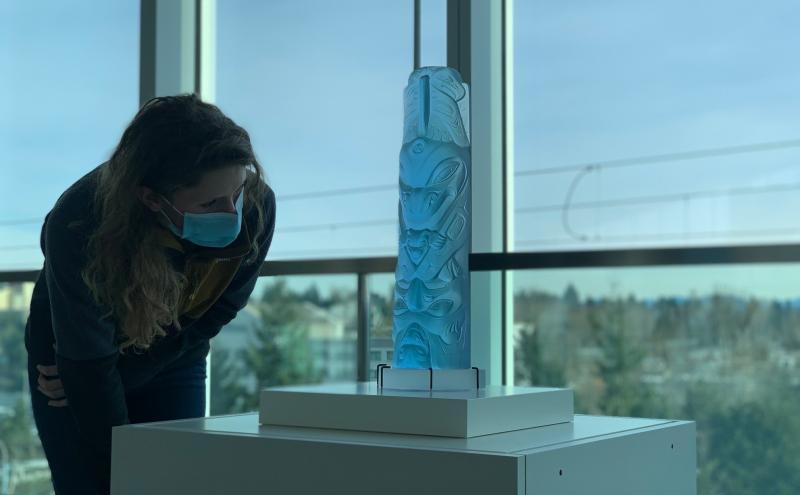
Art on Display in the IAF

Hear about the art coming to the IAF in this video!
Timeline
| Milestone | Date |
|---|---|
| Major construction begins | Q3 2017 |
| IAF fully open | Q2 2022 |
Estimated Project Costs
Total project cost estimated at $986 million.
Funding for the project came from a combination of Airport Development Fund and future revenue bonds. As with virtually all airport projects, no tax-payer dollars will be used to fund the project.
Milestones
Groundbreaking - August 2017
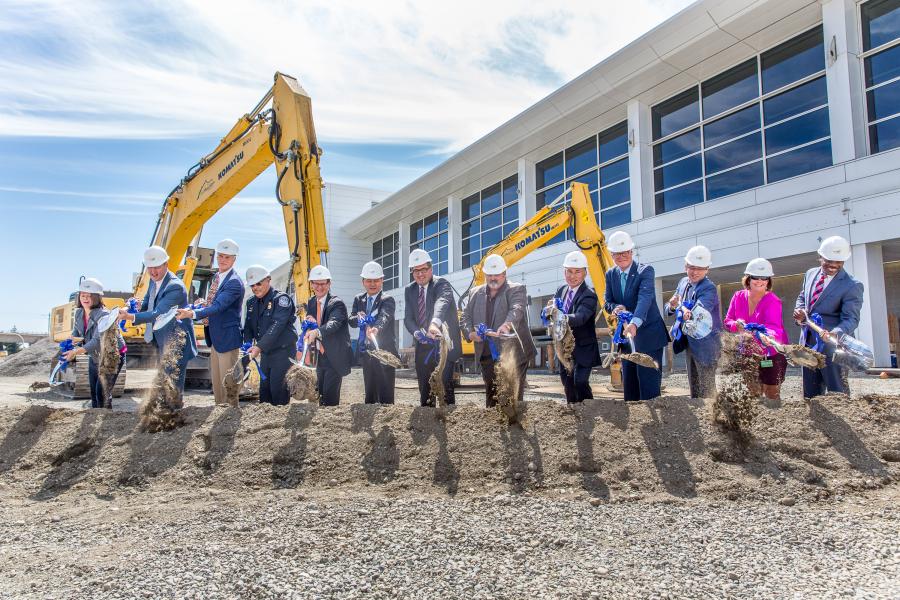
Topping Off Ceremony - December 2018
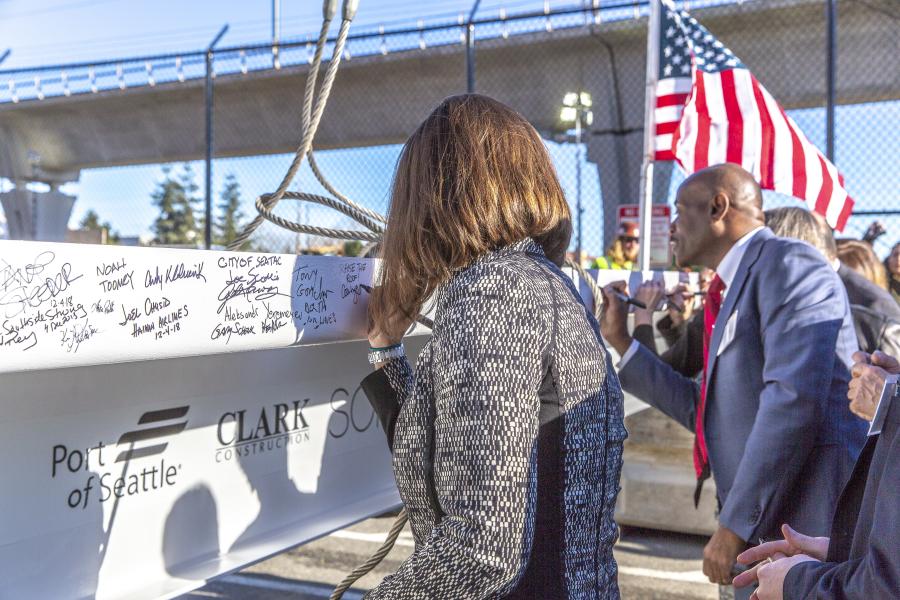
Pedestrian Walkway Move and Lift - January 2020
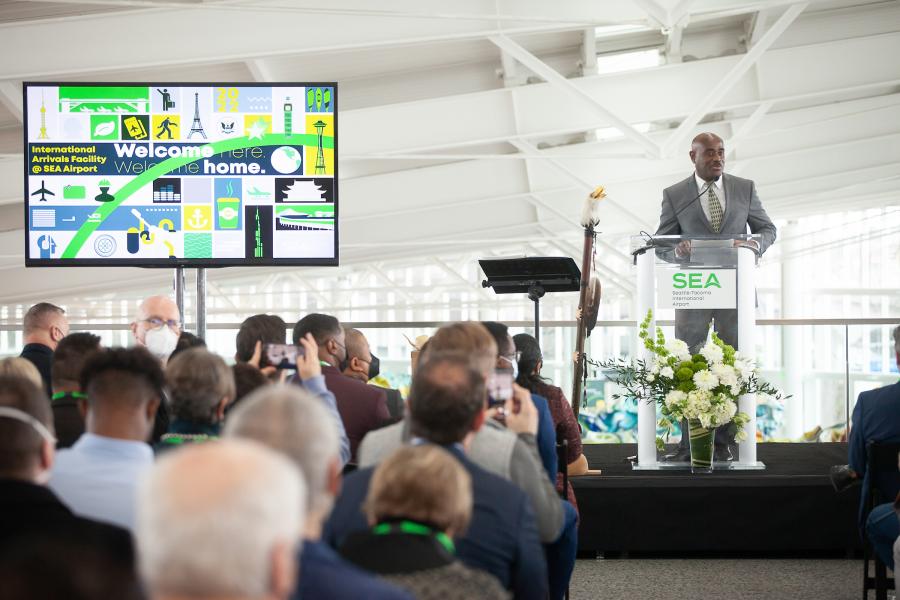
IAF Reveal Celebration and Online Event - March 2022
ORAT Passenger Flow Simulation - April 2022
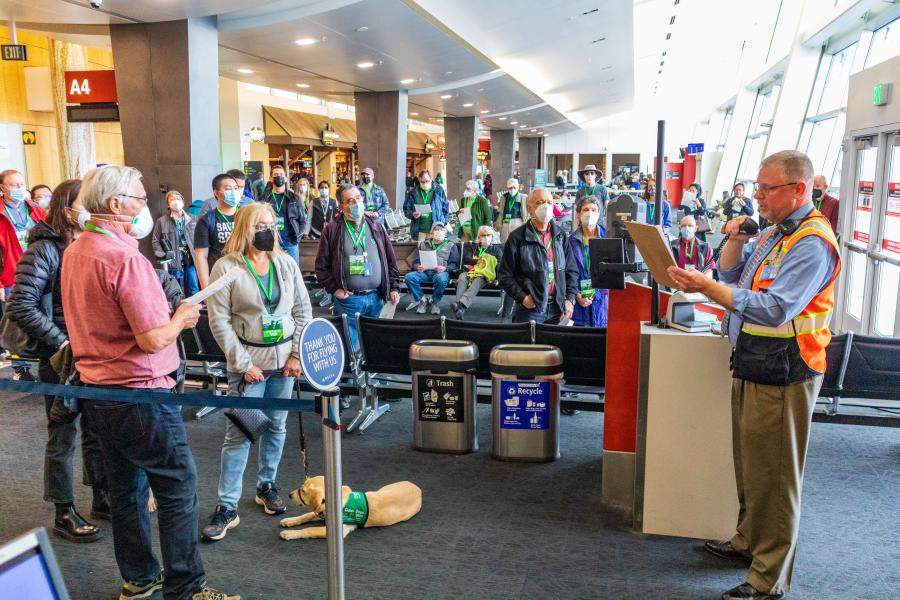
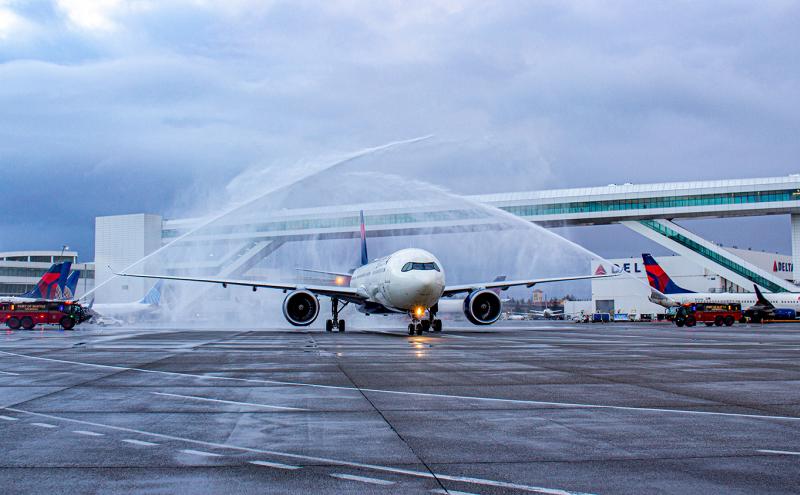
First Flight to IAF - April 2022
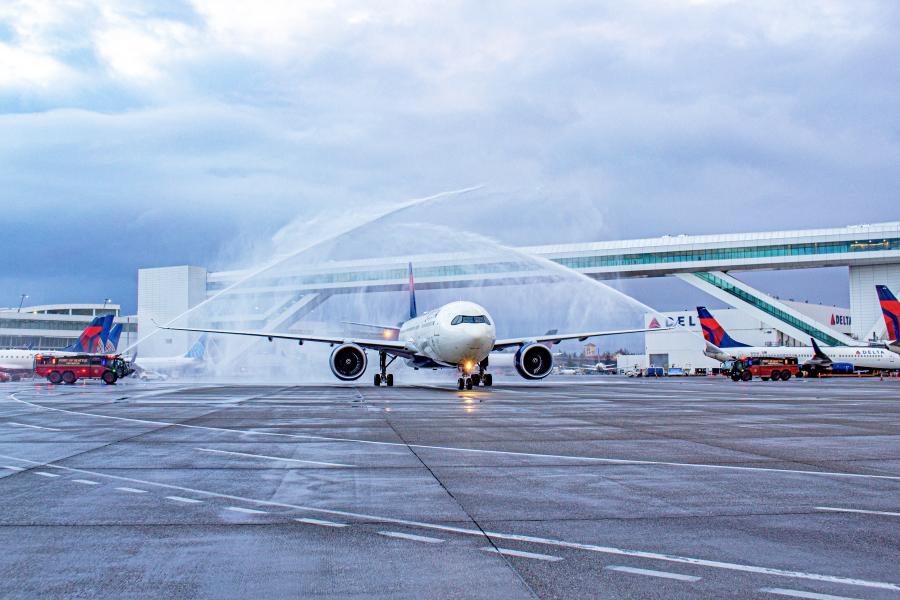
IAF Fully Open - May 2022